
My family and I recently visited Arezzo primarily to enable me to visit the exact site of a photograph of my one of my great-grandfather taken in the field taken along Route 71, L’Olmo, Arezzo on 16 July 1944. I have so much to post over the coming weeks about our visit, but in the interim there are a few pictures available on my social media channels (see bottom of this page).
Whilst visiting the area we stayed at Hotel La Capanne between Pieve al Toppo and L’Olmo about a 15 minute drive out of Arezzo city itself. Not only was it a fantastic hotel complete with a restaurant that served excellent Tuscan cuisine, but it sits in the exact area of operations of the 6th Armoured Division of early July 1944. The hotel offered a panoramic view of the entire area, albeit from the flat plain of the Val di Chiana. Pieve al Toppo was a short 5 minute car ride in the opposite diretion and had bars, two supermarkets a pharmacy etc. as a tip for anyone intent on visiting.
Whilst we were only there for a short time I was inevitably keen to explore as much of the surroundings WW2 sites as possible. Some were in the immediate vicinity of the hotel…
As a part of my quest to gather as much information concerning the 6th Armoured Division I have scoured the internet to find as many books (read obscure!) as possible covering both first and second hand accounts from all units that made up the formation (bibliography here).
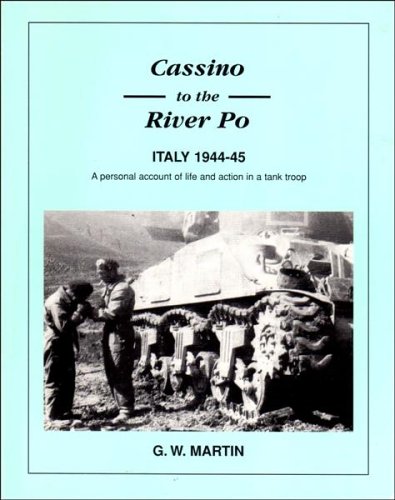
One of those books was Cassino to the River Po by G.W. Martin. It is a most interesting read covering his exploits as an officer within the 2nd Lothians & Border Horse (2LBH).
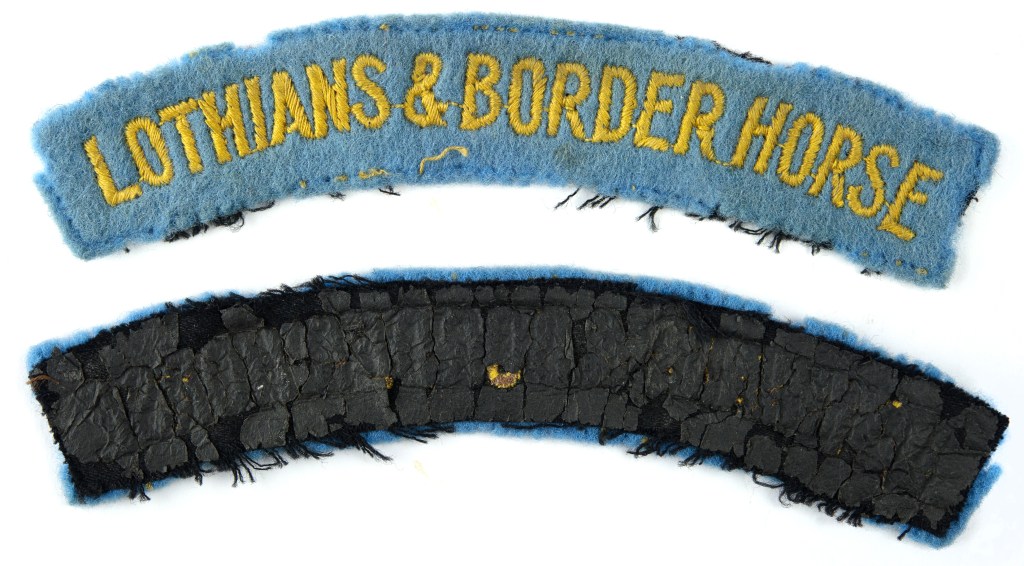
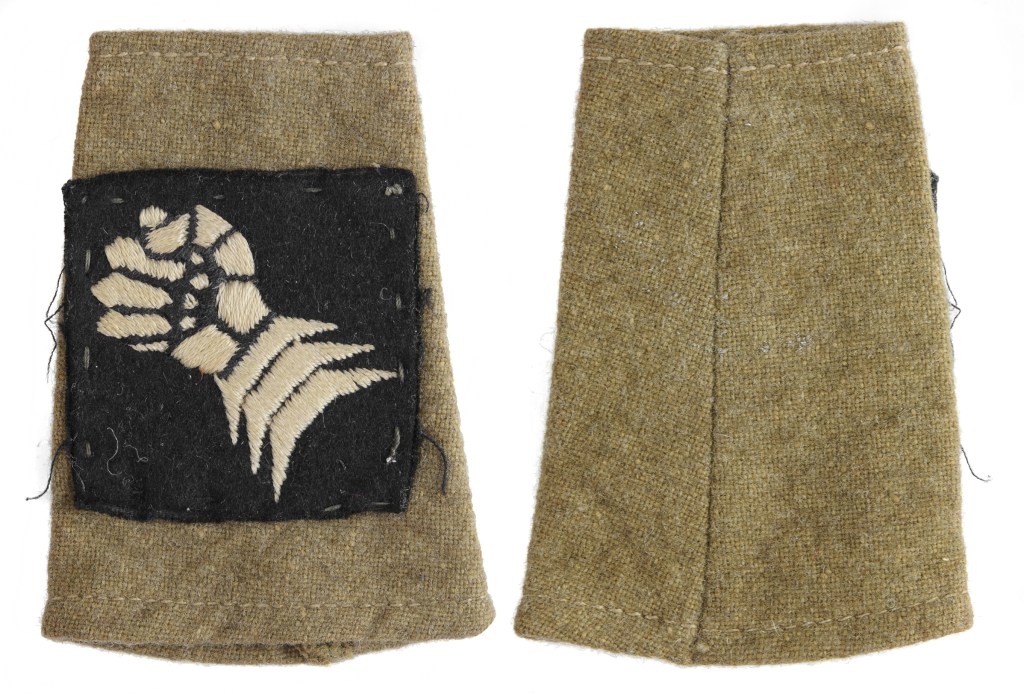
The 2LBH were a part of 26 Armoured Brigade alongside the 16/5 and 17/21 Lancers, a trio of Sherman equipped armoured formations. The Lothians worked particularly closely with the 3Bn Welsh Guards (in which I had two great-grandfathers serving at that time) which further intensifies my interest in this particular formation.
Martin’s recollections in Cassino to the River Po are both detailed and gritty and it amounts in a truly gripping read, not just for those with an interest in 6th Armoured or the Italian Campaign, but to anyone with an interest in armoured warfare. I found the account on page 36 of locking the Sherman’s tracks to collapse German foxholes thus burying their unfortunate occupants alive (as per the scene in the 1993 German made film Stalingrad) most disturbing, but understandable given the constant threat of panzerfausts and magnetic mines. It is a rare book today, and like so many others, commands a high price on the second-hand book market:
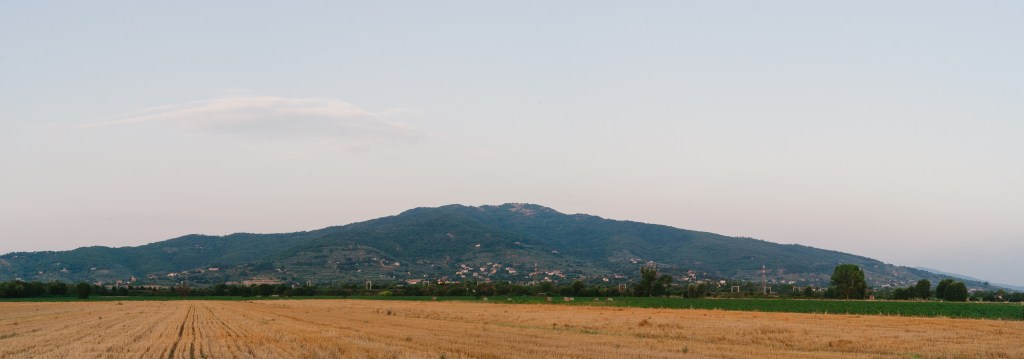
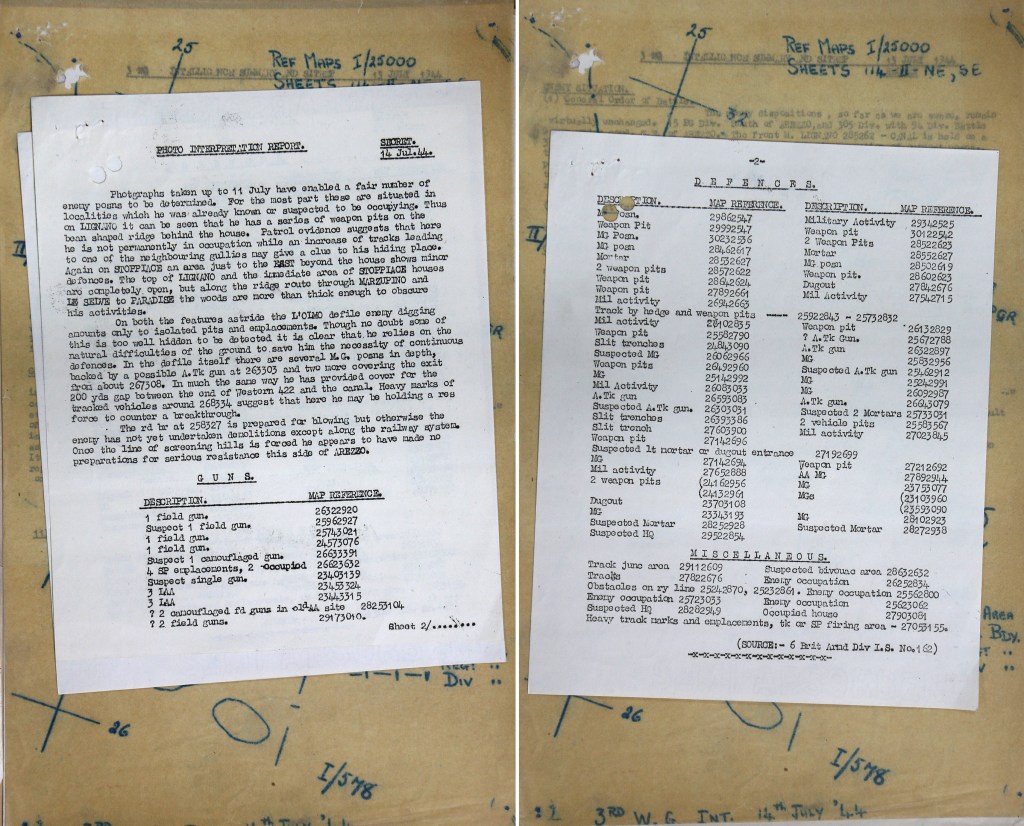
In July 1944 the Germans temporarily delayed the advance Allied advance to Florence at Arezzo through the creation of a stiff defensive line along the crest of the mountain ridge dominated by Monte Lignano. Not only was this position extremely defensible, it enabled the total domination of the surrounding area through unrestricted observation (and thus artillery interdiction) of the only approach to Arezzo from the west via the L’Olmo pass. Elements of 6th Armoured Division were deployed there in early July 1944.
On pages 58-63, Martin descibes a minor action that happened in the absolute immediate vicinity of Hotel La Capanne on 7 July 1944. A summary of his recollections is recorded via the below quotes from Cassino to the River Po:
“…from a hill just outside the town (probably L’Olmo at the end of the highway) a German obseravation officer was bringing dow such accurate fire from, among others, two mobile guns of heavy calinre, that nothinc could move along the road in daylight. Counter battery work had proved useless, the guns fired two or three rounds and then moved, spotter planes had failed to find them”.1
He continues in stating that:
“Our job was to go out and draw the fire of these guns while spotter planes went up to look for them, a battery of our guns (was) waiting to fire as ordered by the artillery officer in the plane.
The plan was simple enough, we had to move in a before dawn along the main road to a track which went off to the left, this led to a dirt track running below, and parallel to, a high grassy canal bank. To our right would be vineyards and farms”.2
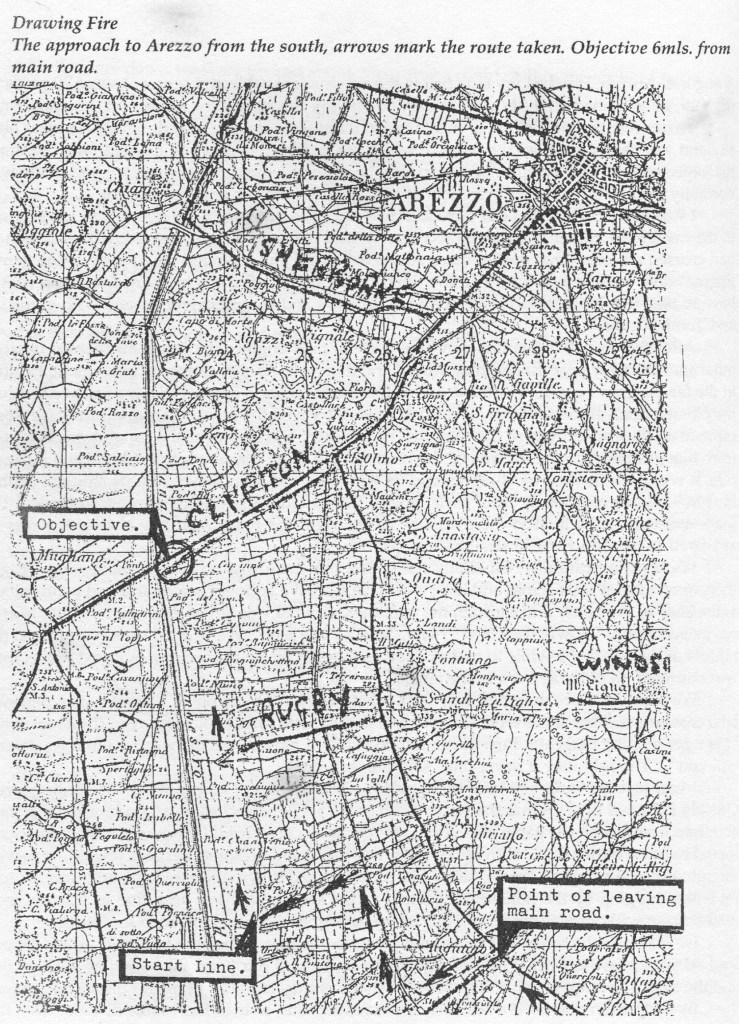
“Along this dirt road we had to move in a low gear, making as much dust as possible, the scond and third tanks to return through the fields before rejoining the track again in the rear, so keeping a long trail of dust rising in the air and so make it appear as though a long convoy of vehicles was heading to bye-pass (sic.) the town”.3
“Over to the right through the trees I could see a farmouse and outbuildings, guns were of course loaded and the crew alert for any sign of movement ahead or on the flanks”.4
This farm was Hotel La Capanne, albeit not a hotel but a working farm at that time.
“A bend in the track ahead caused me to order the driver to halt, through the trees I noticed something that looked like a vehicle. Through the glasses I thought it looked like a tank, quickly the gunner ‘covered’ it with the his gun … slowly we moved forward, edging around the bend we were surprised to see a Sherman tank lying on its side in the ditch. It bore the markings of the Derbyshire Yeomandry our recce”.5
“Some 110 yards ahead on our left stood a large house, its gable end and garden wall formed our left flank, to our right a ditch and hedgerow. About 30 yards beyond the house our track joined the main road which ran left and right across our front, the north eastery direction going into Arezzo. I parked my tank below the windowless gable.
To our rear the great cloud of dust hung in the still air, the sun beat down from a clear blue sky”.6
“I was fairly certain that our apporach had not gone unnoticed so I decided to take a walk to the main road, rather like a small recce party, and make quite sure that we had ben seen … I took along my sergeant and second driver, armed with grenades and Tommy guns”.7
“… in the far distance I could hear the drone of the spotter plane’s engine. We approached the corner along a ditch at the roadside, at the corner we surveyed the scene. To our left the main road came to an abrupt end where the Germand had ‘blown’ a bridge over the canal, some 80 yards from our position. On the far side of the road stood a large house, part of it had been a bar or cafe, it was pock marked by shrapnel and its windows had been blow out, its shutters – some broken – hung precariously from their hinges. Debris from the bridge demolition littered the road, earth and rock littered the roadway, to our right the road, with tree shadows across it, appreared to run almost dead straigh, into Arezzo”.8
“…we heard a a couple of distant bangs, seconds later two large calibre shells whistled over and landed with loud explosions near the canal bank … I had just got onto my tank turret when I heard another couple of shells coming over. Quickly I slipped my legs into the turret hatch as the shells scrreeched at us, no mistake this time about accuracy, it hit the gable wall about ten feet abover my turret! … judging by the hole in the gable wall the shell must have been five inch or sx inch diameter … in the distance, from behind our lines, the sound of artillery fire and the heavy ‘crump’ of salvo after salvo of shells as the landed – I hoped – on the S.P. guns”.9
It was later confirmed that this action resulted in the destruction of both S.P. guns through counter-battery fire. Following this, Martin was issued another follow-up task:
“Sunray (codename for Commanding Officer) has another little job for you while you’re there. Take a small party on foot to the blown bridge and get the following information:- Width on the top of the canal bank, Width of roadway approaching the blown bride, Length of blow section of bridge, and is the road straight enough to assemble a Bailey Bridge ? – over”.
Incidentally, a Bailey Bridge was constructed but not by the engineers of 6th Armoured Division. I am currently undertaking some additional research to determine which unit built the bridge and its class and size.
My son and I retraced the action during our visit where I took a number of photographs which I thought at the time would be of wider interest to those with an interest in 2LBH and those who have read the book in addition to the family members of the men who served in the unit.
I have marked the location of the my photographs on a contemporary wartime map so that they can be traced by those wishing to visit the site of the action.
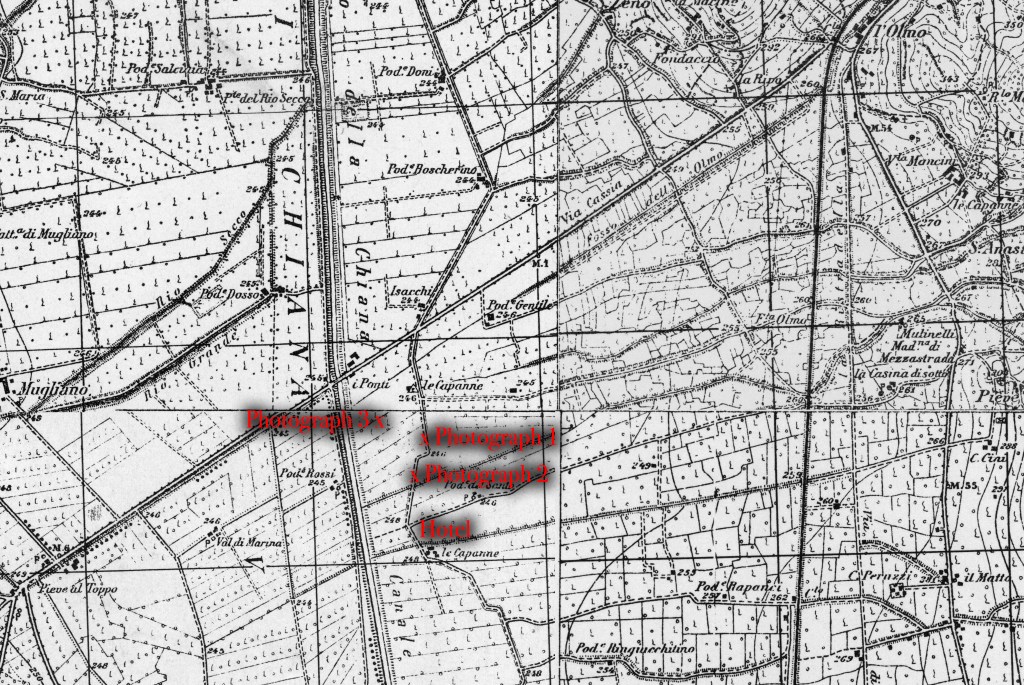
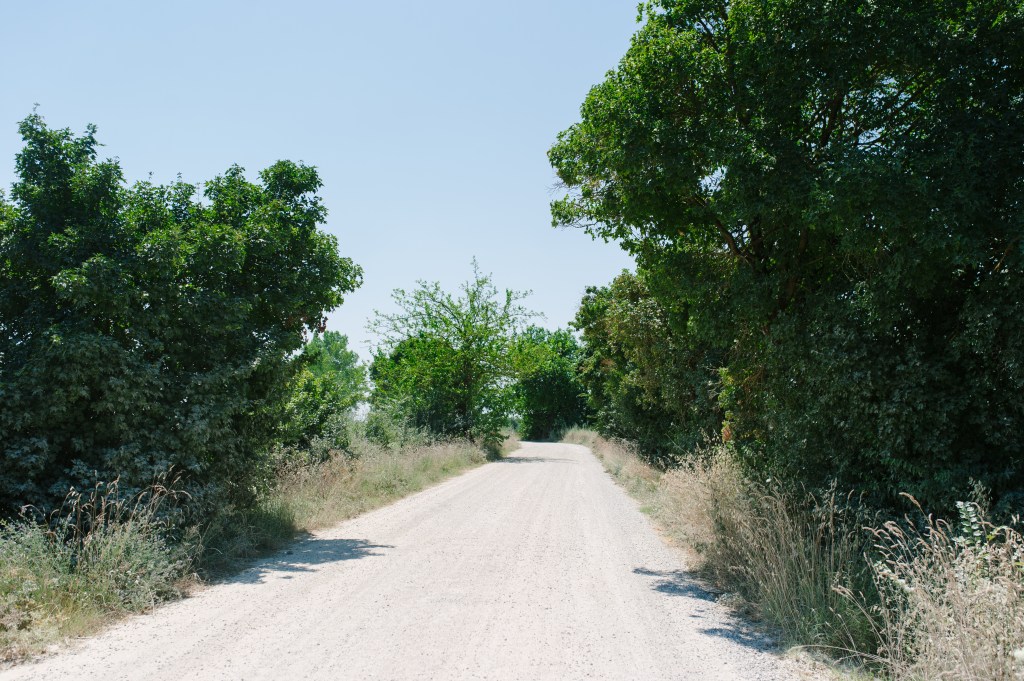
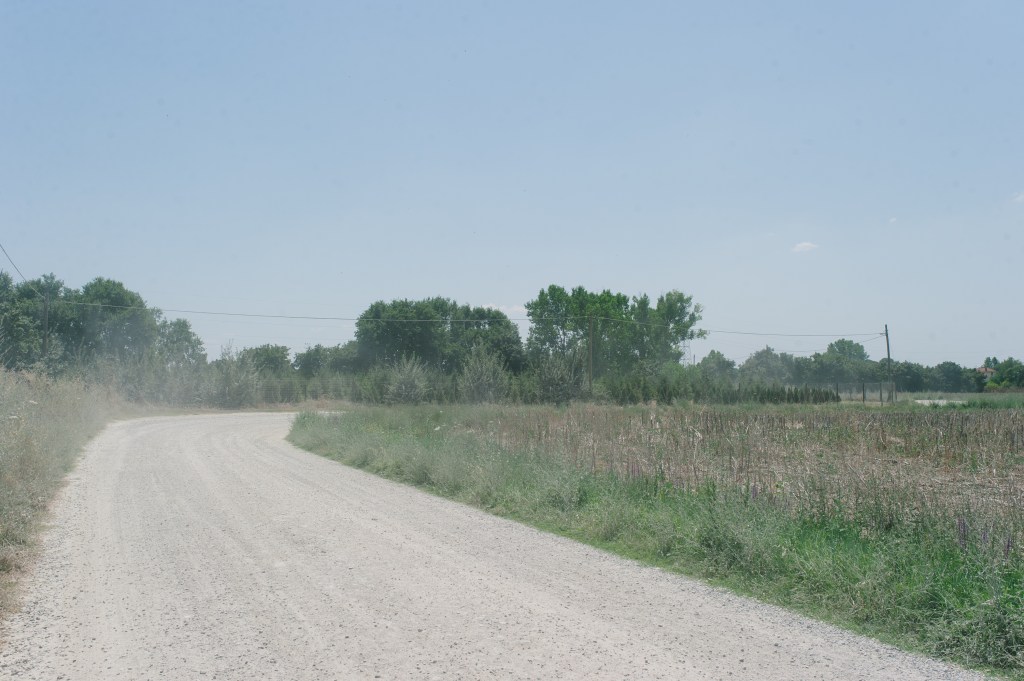
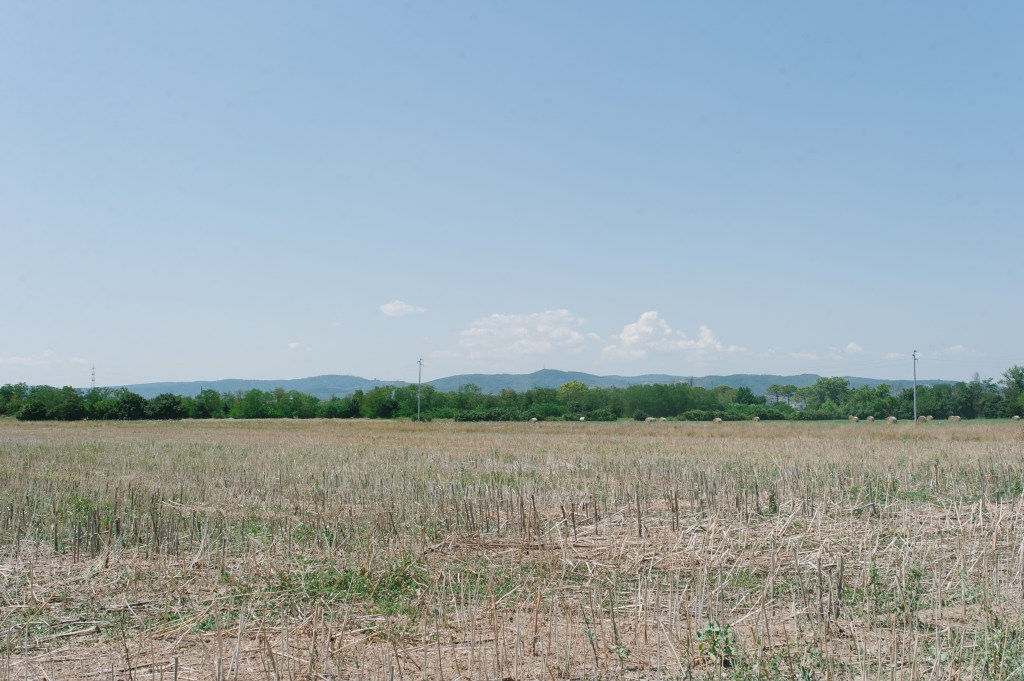
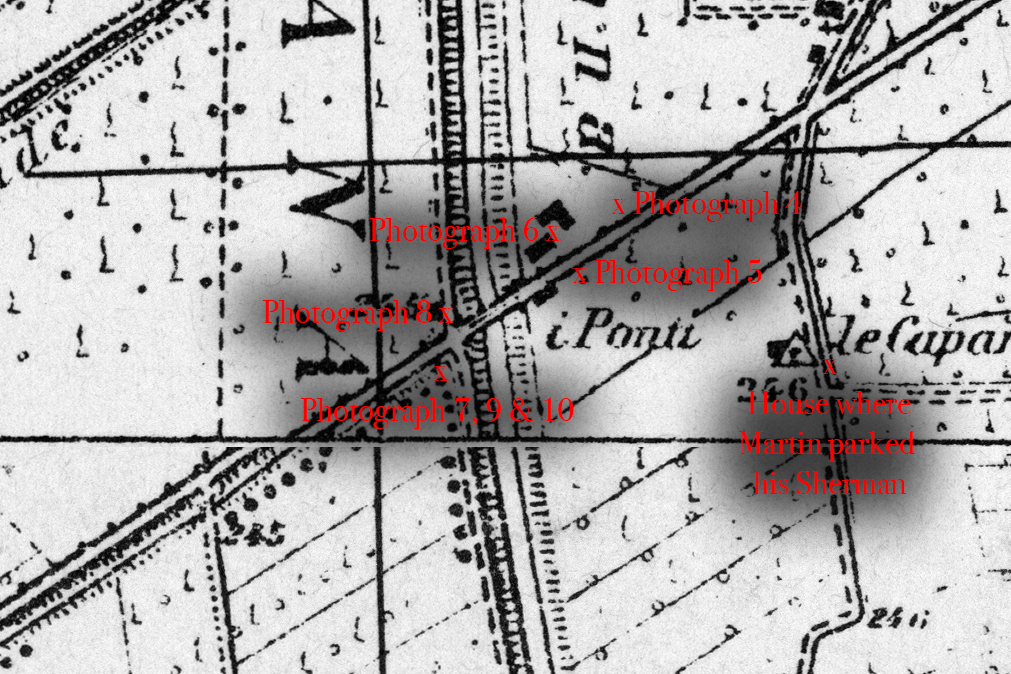
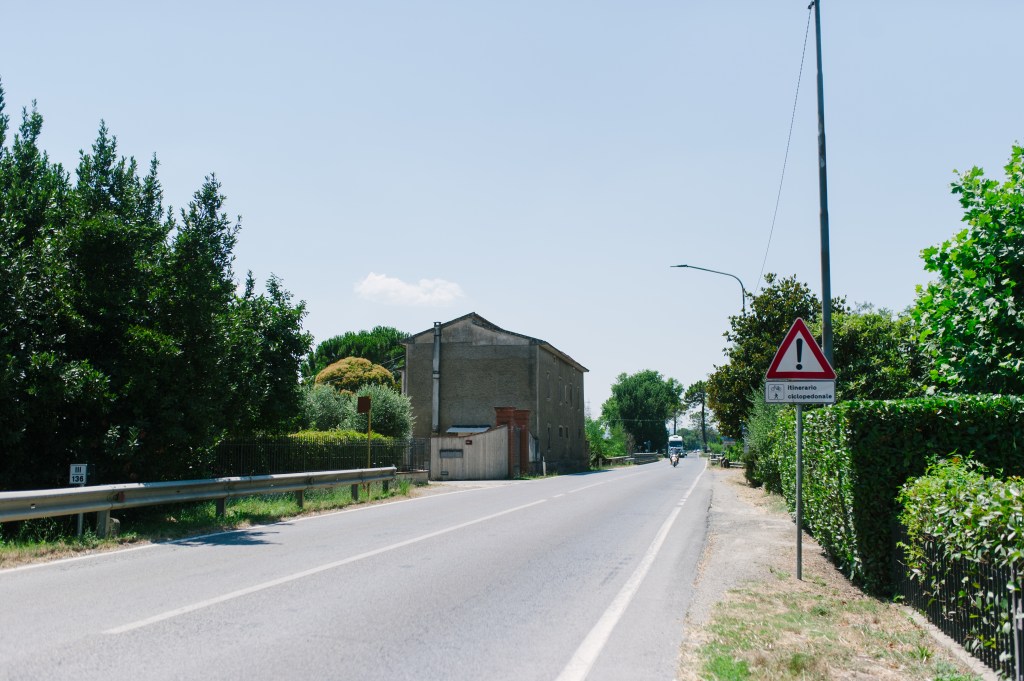
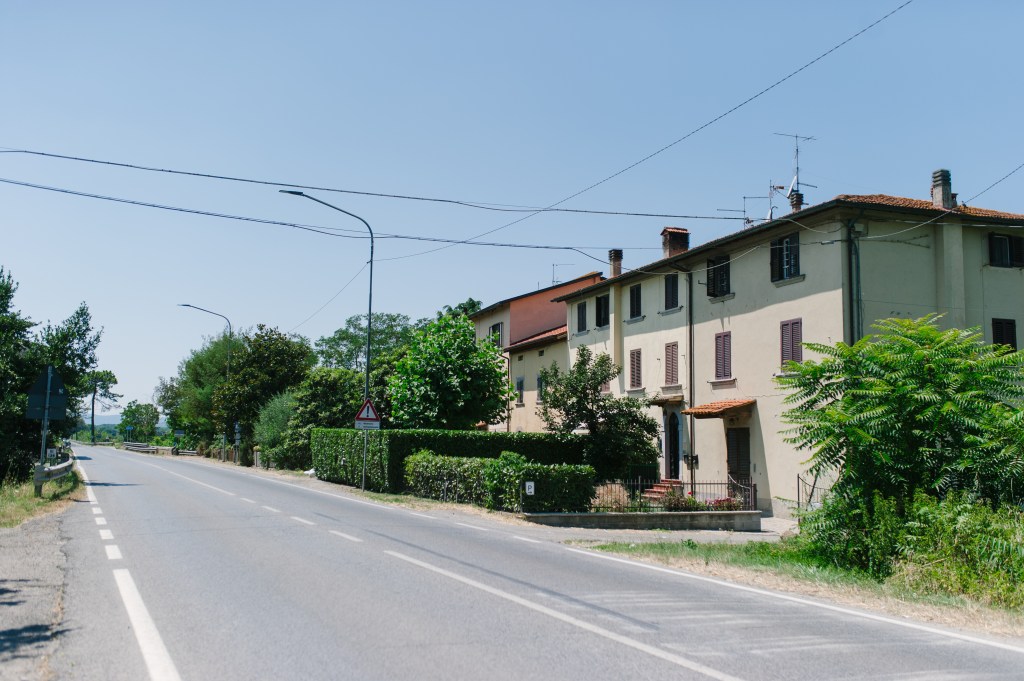
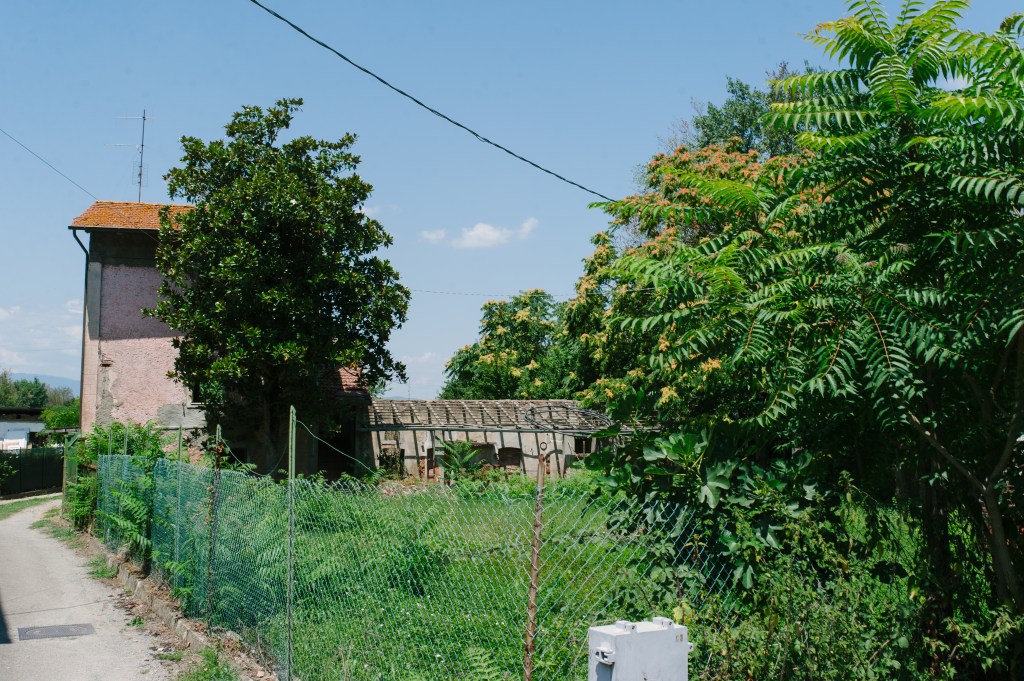

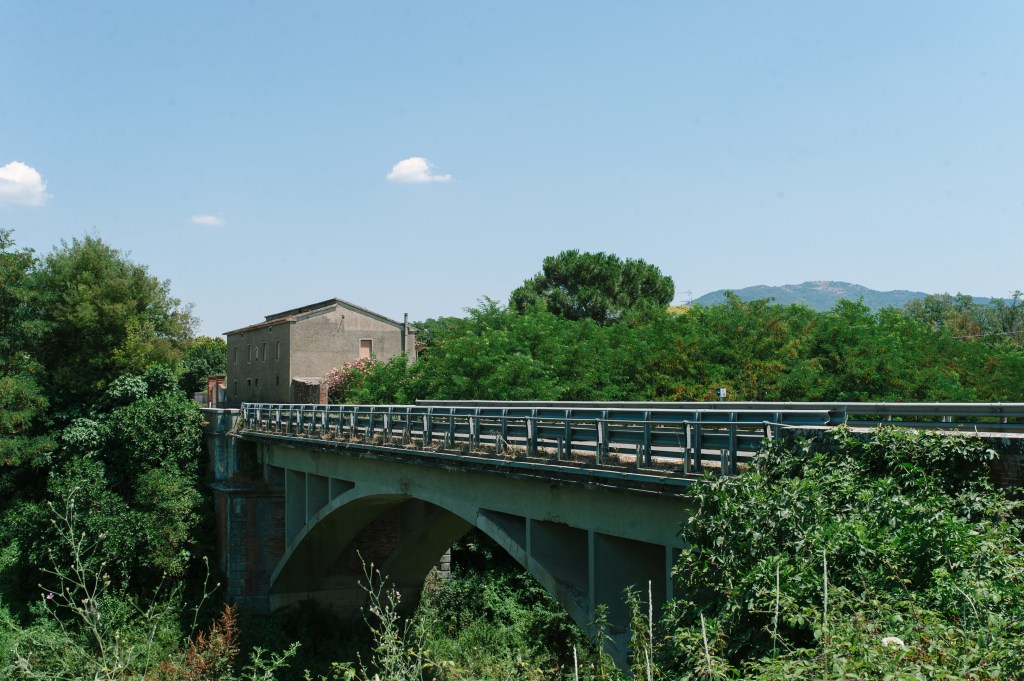
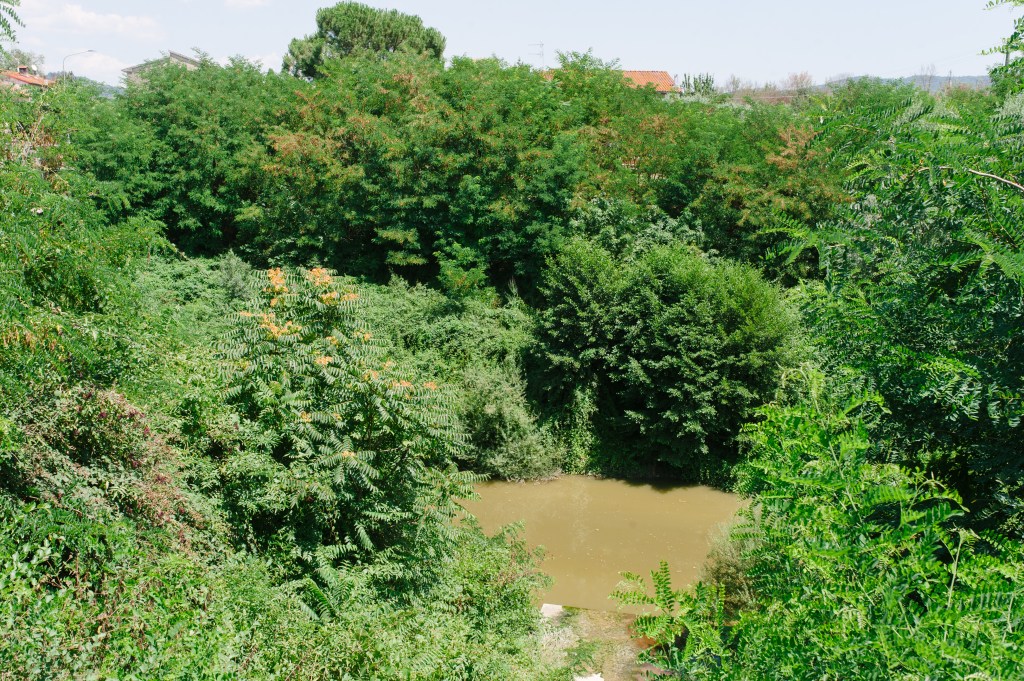
I sincerely hope that it this article will be of use to those wishing to retrace the steps of the men of 2LBH, much in the same way as I was able to do for my great grandfathers during the visit who also fought within a mile of i Ponti.
- Martin, G,W. Cassino to the River Po, Italy 1944-45, A personal account of life and action in a tank troop (Self Published, 1999) p57 ↩︎
- Martin, G,W. Cassino to the River Po, Italy 1944-45, A personal account of life and action in a tank troop (Self Published, 1999) p57 ↩︎
- Martin, G,W. Cassino to the River Po, Italy 1944-45, A personal account of life and action in a tank troop (Self Published, 1999) p57 ↩︎
- Martin, G,W. Cassino to the River Po, Italy 1944-45, A personal account of life and action in a tank troop (Self Published, 1999) p59 ↩︎
- Martin, G,W. Cassino to the River Po, Italy 1944-45, A personal account of life and action in a tank troop (Self Published, 1999) p59 ↩︎
- Martin, G,W. Cassino to the River Po, Italy 1944-45, A personal account of life and action in a tank troop (Self Published, 1999) p59-60 ↩︎
- Martin, G,W. Cassino to the River Po, Italy 1944-45, A personal account of life and action in a tank troop (Self Published, 1999) p60 ↩︎
- Martin, G,W. Cassino to the River Po, Italy 1944-45, A personal account of life and action in a tank troop (Self Published, 1999) p60 ↩︎
- Martin, G,W. Cassino to the River Po, Italy 1944-45, A personal account of life and action in a tank troop (Self Published, 1999) p60 ↩︎
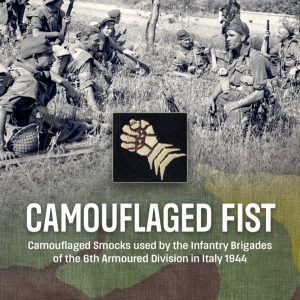
 Camouflaged Fist
What a great effort to inform us of the 2nd Lothians Regt. movement in the area. Thank you.
LikeLiked by 1 person
Thank you ever so much ! Glad you enjoyed it ! Gareth
LikeLike